Table of Contents
Openly communicate with your therapist concerning any kind of concerns or adjustments in your psychological health and wellness, and with each other, you can identify the most ideal course of activity. Open and sincere interaction with your specialist is crucial when reviewing the regularity of the sessions. Here are some pointers on just how to successfully interact your requirements and concerns: Spend some time to assess your treatment experiences and just how the current frequency is affecting your progress and well-being and whether you require.

Take these recommendations into factor to consider and go over any bookings or concerns you might have. Bear in mind, your specialist exists to support you in your psychological health trip. By preserving open and clear communication, you can work together to discover the frequency that ideal sustains your growth and well-being.
However, it's important to acknowledge that the frequency of sessions can be adjusted based on the client's demands and progress. If you're having problem with depression and find that you desire much more support, it's entirely affordable to express your desire to see your therapist more frequently. Boldly stating, "I intend to see my therapist more frequently," during a session can unlock to discussing potential modifications in session frequency.
Where to Launch Your Change Adventure
In some cases, customers with much more serious anxiety or that frequently have thoughts of suicide or self-harm may gain from DBT. When you're joining DBT you commonly will have a weekly individual treatment session, an once a week 2 hour group skills training session and some training calls with your specialist. So, that's a bigger time commitment however is an extremely reliable way to treat depression.
We are committed to giving the level of care that finest sustains your journey toward boosted psychological health and well-being. Treatment frequency is an important facet of mental wellness treatment, and it's necessary to locate the best balance that matches your distinct requirements. While therapy every two weeks can be appropriate for some individuals, it might not provide the required support and development for others.
It is essential to keep in mind that treatment is not one-size-fits-all, and the excellent frequency of sessions can vary substantially from one person to another. For some, treatment every two weeks might suffice, specifically when they are in a steady stage of their therapy journey. This regularity allows for more extensive durations of self-reflection and technique of the abilities learned in treatment.
Trusted Therapies for Psychological Health
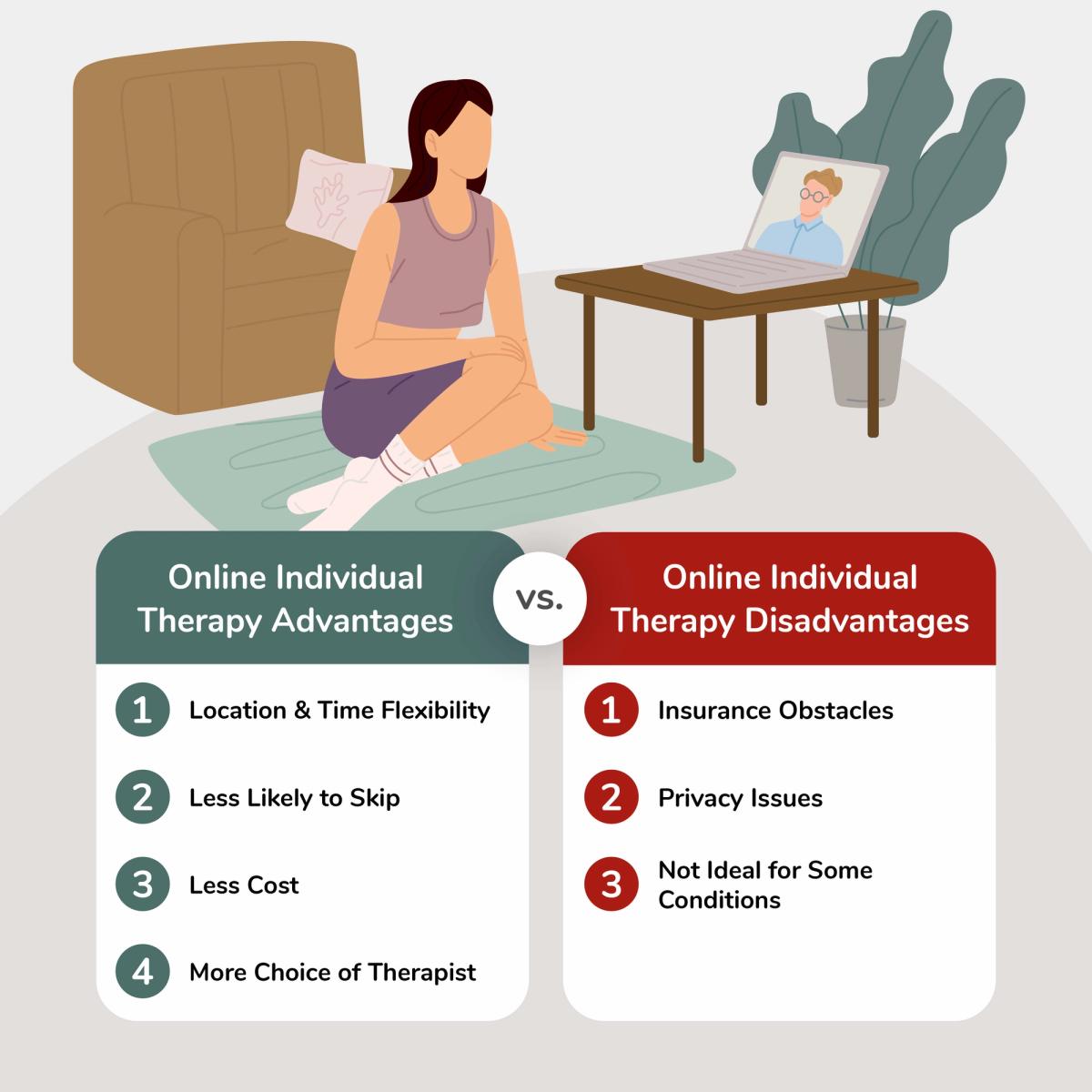
During this time around, the regularity of sessions may need to be readjusted based upon your progress and developing needs. In some cases, therapy when a week isn't enough to address intricate mental wellness conditions or extreme symptoms. Individuals dealing with injury or extreme stress and anxiety may profit from even more frequent sessions to make sure consistent support and symptom management.
Don't be reluctant to connect and have an open discussion with us concerning your treatment frequency. Together, we can determine the best approach to support your mental health and health properly. Take that initial step toward a brighter future by contacting us today. Call Aspire Counseling or get to out online to obtain started with a cost-free appointment.
At Aspire Therapy, we're right here to assist you every step of the way.
Virtual Support for Your Needs
Treatment regularity isn't one-size-fits-all. Exactly how typically you need to go to treatment depends on your personal objectives, mental health problem, and the sort of treatment session you're participating in. The majority of people begin with weekly therapy sessions, but in time, that cadence can move. Whether you're seeking support for anxiousness, depression signs and symptoms, injury, or relationship concerns, the ideal session frequency plays a crucial duty in your therapy trip.
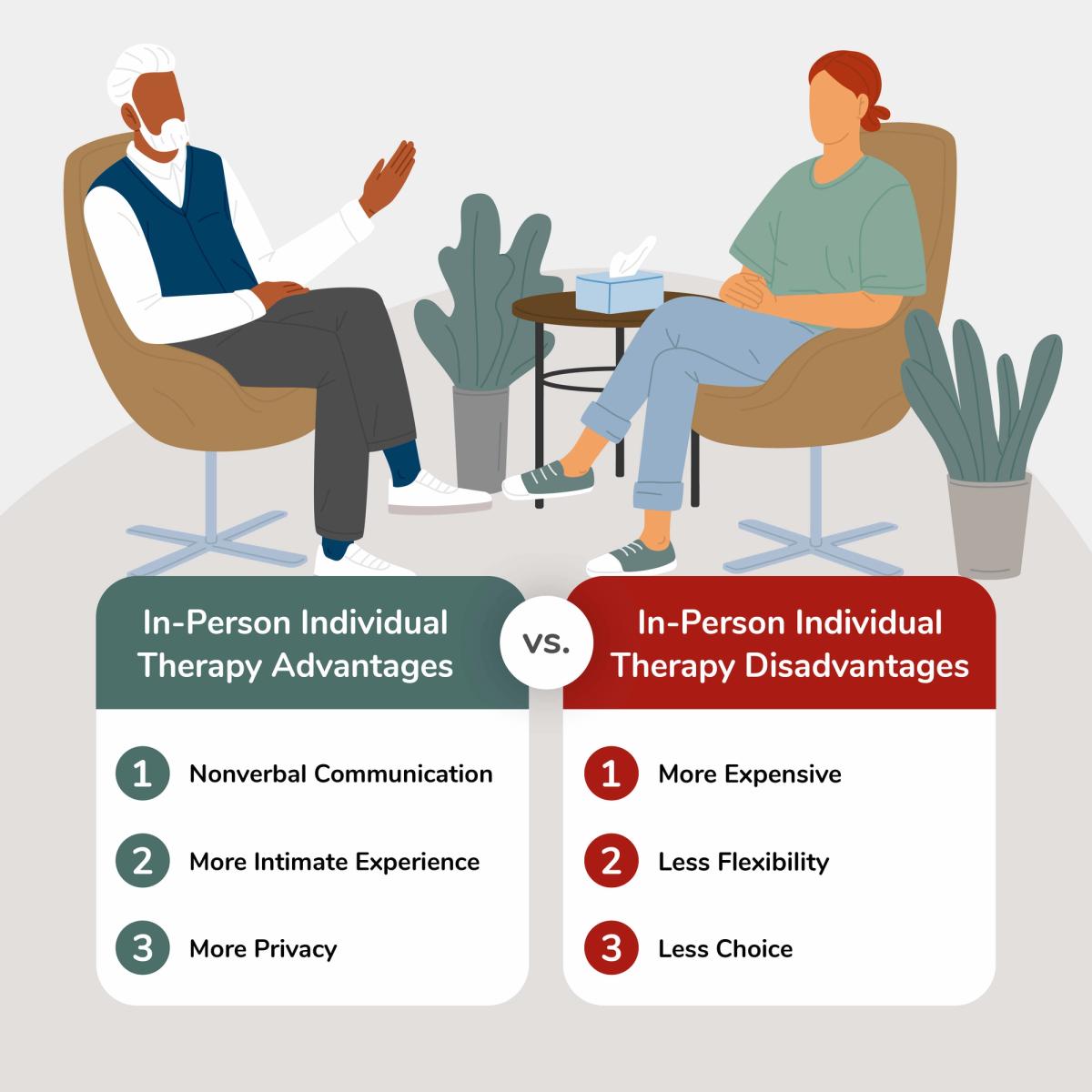
When you're dealing with a significant psychological disease, finding out psychological law skills, or overcoming major life modifications, weekly visits develop structure and momentum. As your symptoms maintain or goals shift, you could transition to bi-weekly sessions or also a month-to-month session. These less frequent check-ins can still give responsibility and space for reflection, specifically when treatment belongs to a wider self-care or healthcare routine.
Therapy is most reliable when it's regular. The speed of your sessions straight influences how promptly and deeply you can process your feelings, create understanding, and make behavioral changes. Weekly therapy sessions, specifically, enable real-time representation, assisting you react to obstacles as they develop. Uneven or seldom sessionsespecially very early oncan make it tough to build momentum or apply devices in between.
Bi-weekly sessions use even more adaptability and are usually used after preliminary progress has actually been made. This regularity may appropriate for people that remain in a more stable place or are taking care of mild symptoms. That said, the prolonged gap between sessions might limit chances for real-time assistance and slow down the rate of change.
Holistic Healing Solutions
This is typically the situation for people handling serious clinical depression, facility trauma, or overwhelming life changes. In these instances, regular sessions provide a maintaining pressure, developing space for security, processing, and emotional law. It's worth noting that this is not an extensive listing. Some people additionally go to treatment much more frequently if they are undergoing partnership battles or if they are taken part in pairs and family members therapy as well as individual therapy.
Pairs treatment might additionally require a more regular cadence throughout times of crisis or problem to restore trust fund and communication. A monthly session can be effective for those in maintenance modepeople that have finished the extra extensive part of their therapy journey and currently seek periodic check-ins to remain based.
The very best means to establish the best rate is via an open conversation with your therapist. They'll aid examine your goals, progression, and needsand recommend an ideal routine. Therapy frequency need to progress with you. Lots of people start with weekly therapy sessions to develop rapport and energy. Gradually, as dealing approaches become force of habit and obstacles are solved, you may transfer to bi-weekly sessions or regular monthly maintenance sessions.

Navigation
Latest Posts
Developing New Trusting Foundation In Relationship Work in Denver
Healing Co-Occurring Perfectionism and Food Issues
Advantages of Trust during Mental Health Care for Trauma Survivors